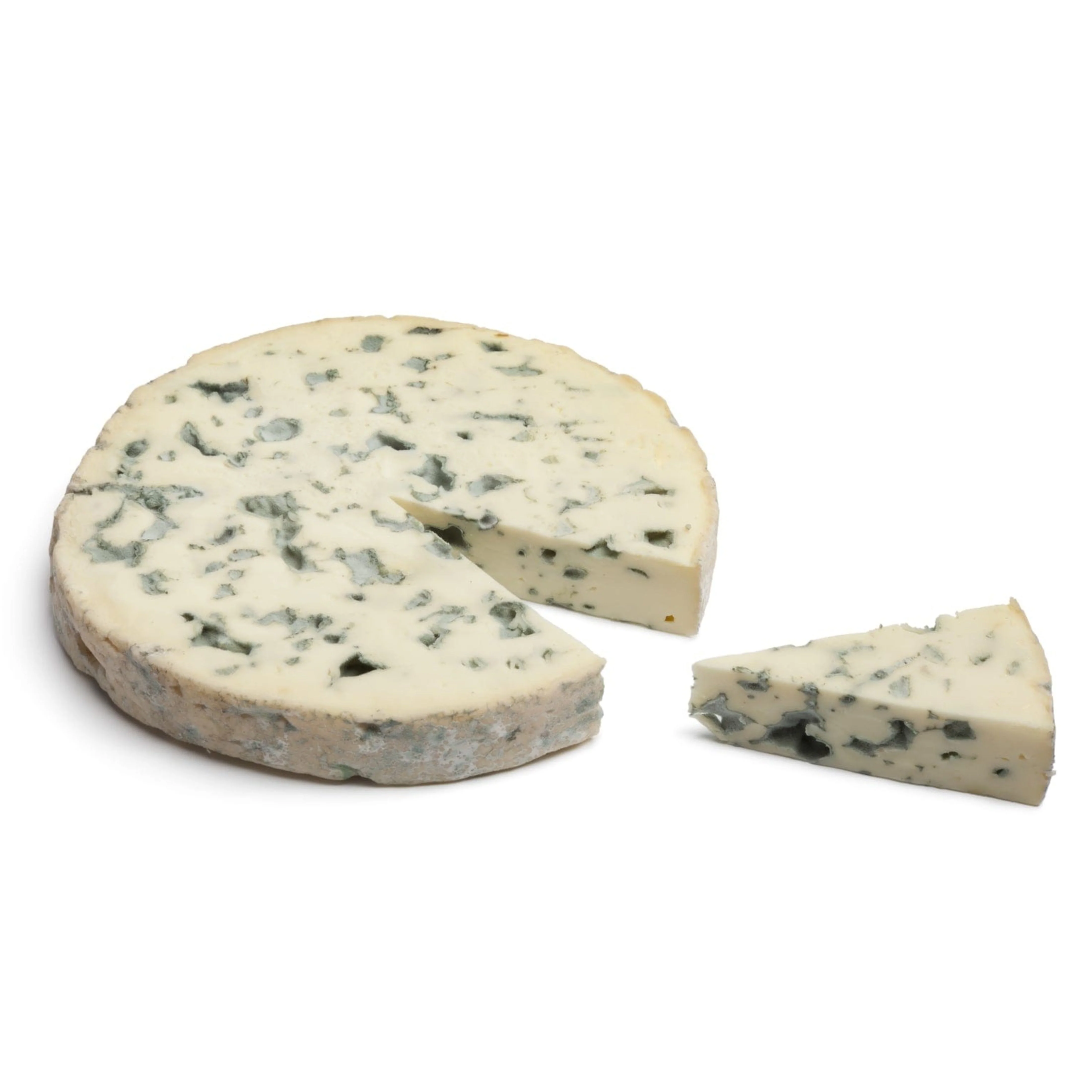
Cheese - Fourme d'Ambert
DESCRIPTION
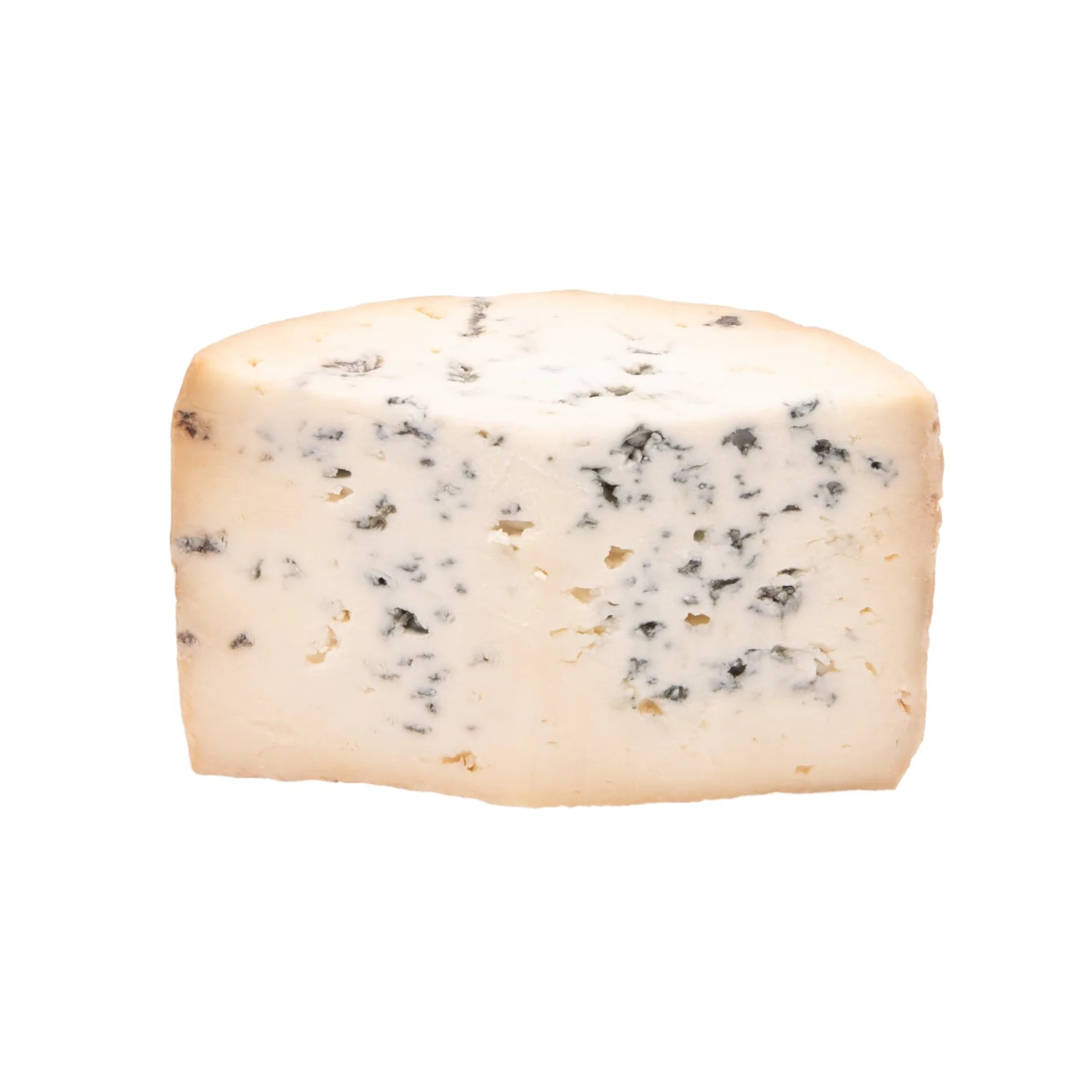
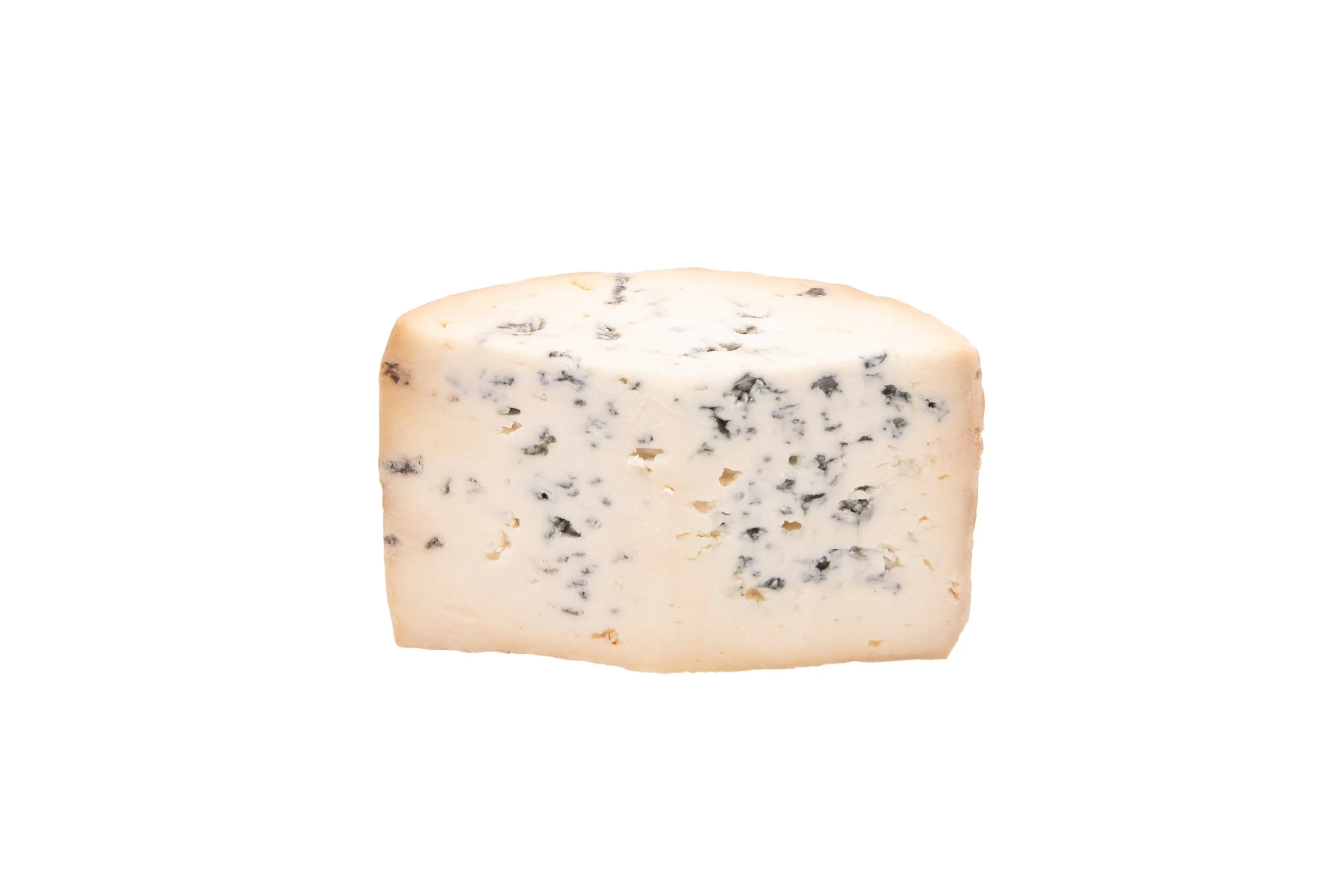
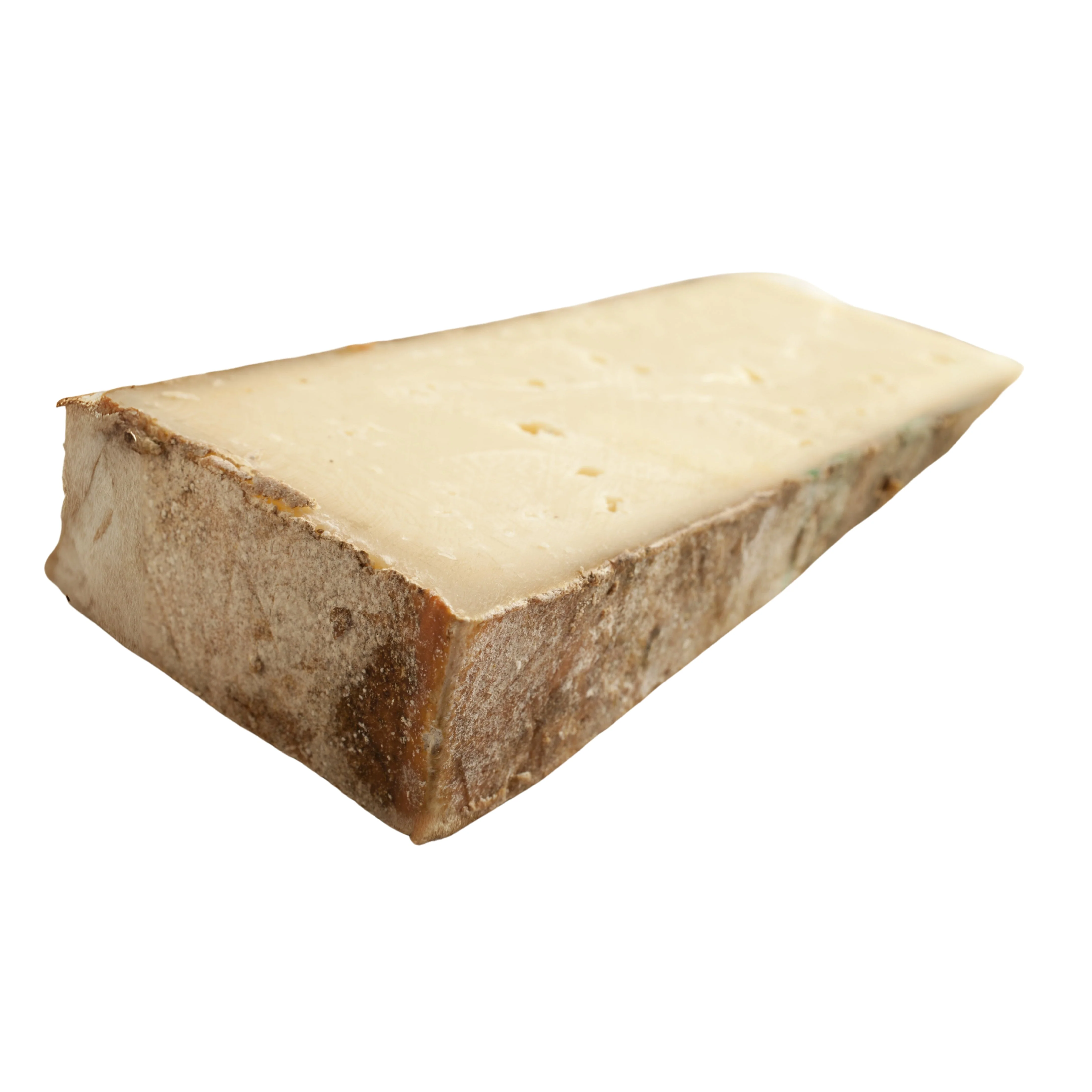
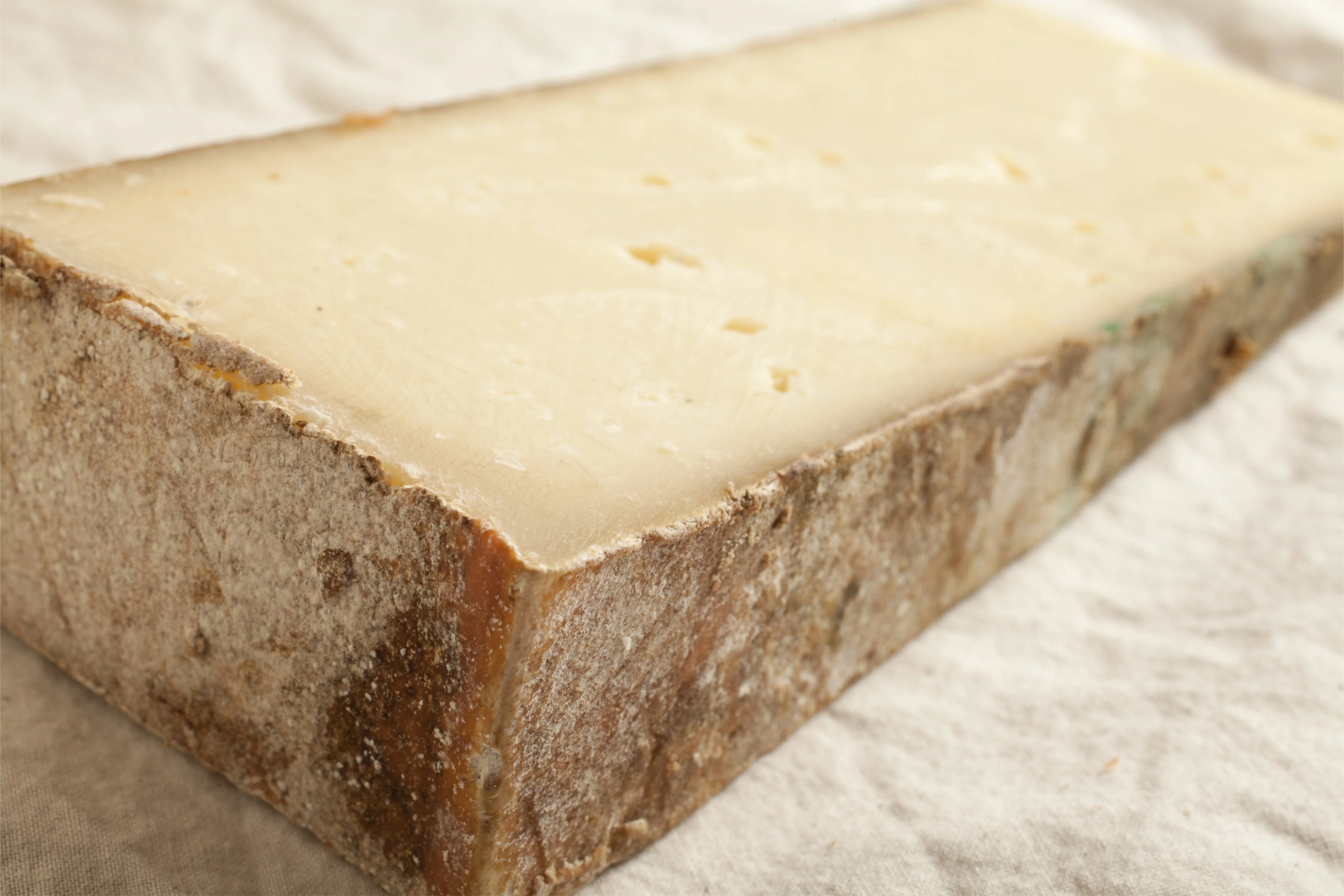
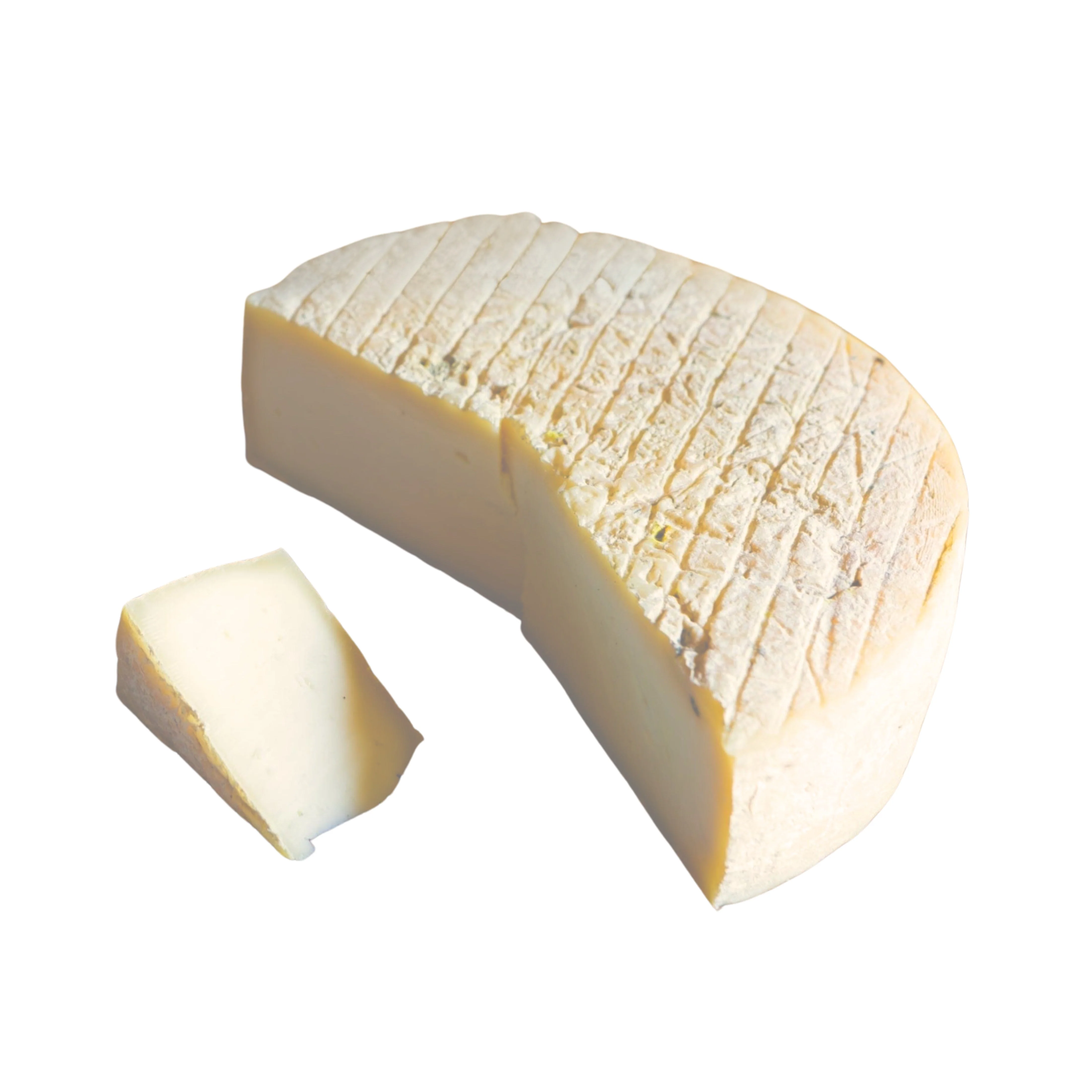
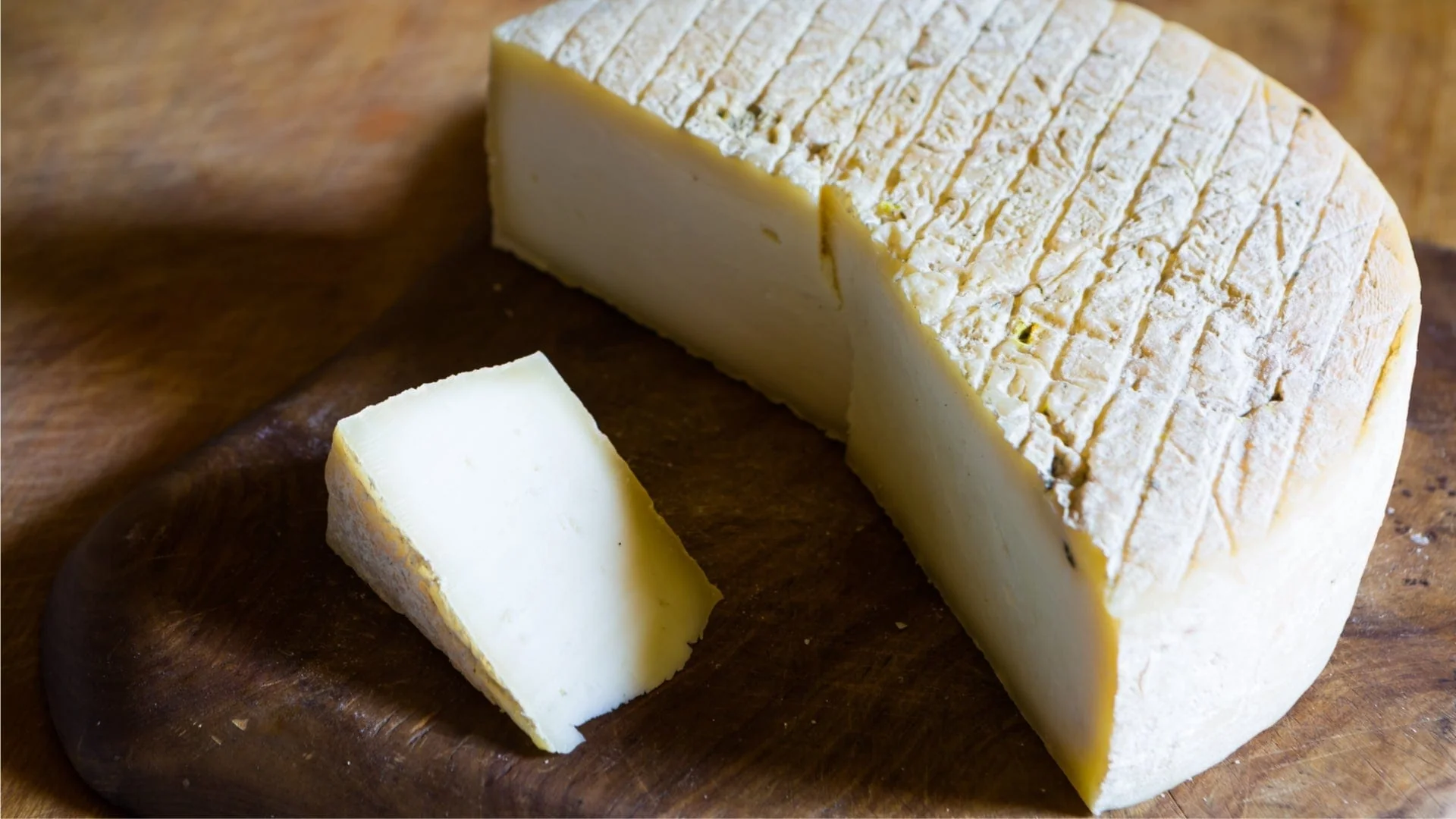
This relatively unknown blue cheese is a culinary secret used by restaurant chefs all over Europe. Made in tall, cylinders somewhat reminiscent of Stilton in shape, Fourme d'Ambert has been made on the volcanic plains of France since Roman times. This semi-soft cheese is aged for 2 to 3 months resulting in a beautiful, cream-colored paste richly marbled with blue veins. To learn more about Fourme d'Ambert click here!
ORIGIN
France
MILK TYPE
Cow
RAW MILK OR PASTEURIZED?
Pasteurized
STORAGE TIPS
Refrigerate preferably in its own drawer close to where most of the produce is kept. After each time that you slice the cheese, re-wrap it with fresh plastic wrap to extend the shelf life. While some chefs will freeze a slice of blue and then grate it over a salad before serving, Chef's Mandala doesn't recommend freezing cheeses in general.
PEOPLE WHO PURCHASED THIS ALSO PURCHASED
- Cheese Plate - would not use on a cheese board but it's amazing as a culinary ingredient.
- Pairings - this cheese goes great on salads with slightly sweet dressings (honey is a popular base).
SUBSTITUTES
Stilton or perhaps Cashel Blue.
INGREDIENTS
Pasteurized cow milk, salt, lactic ferments, rennet, penicillium roqueforti
More Images
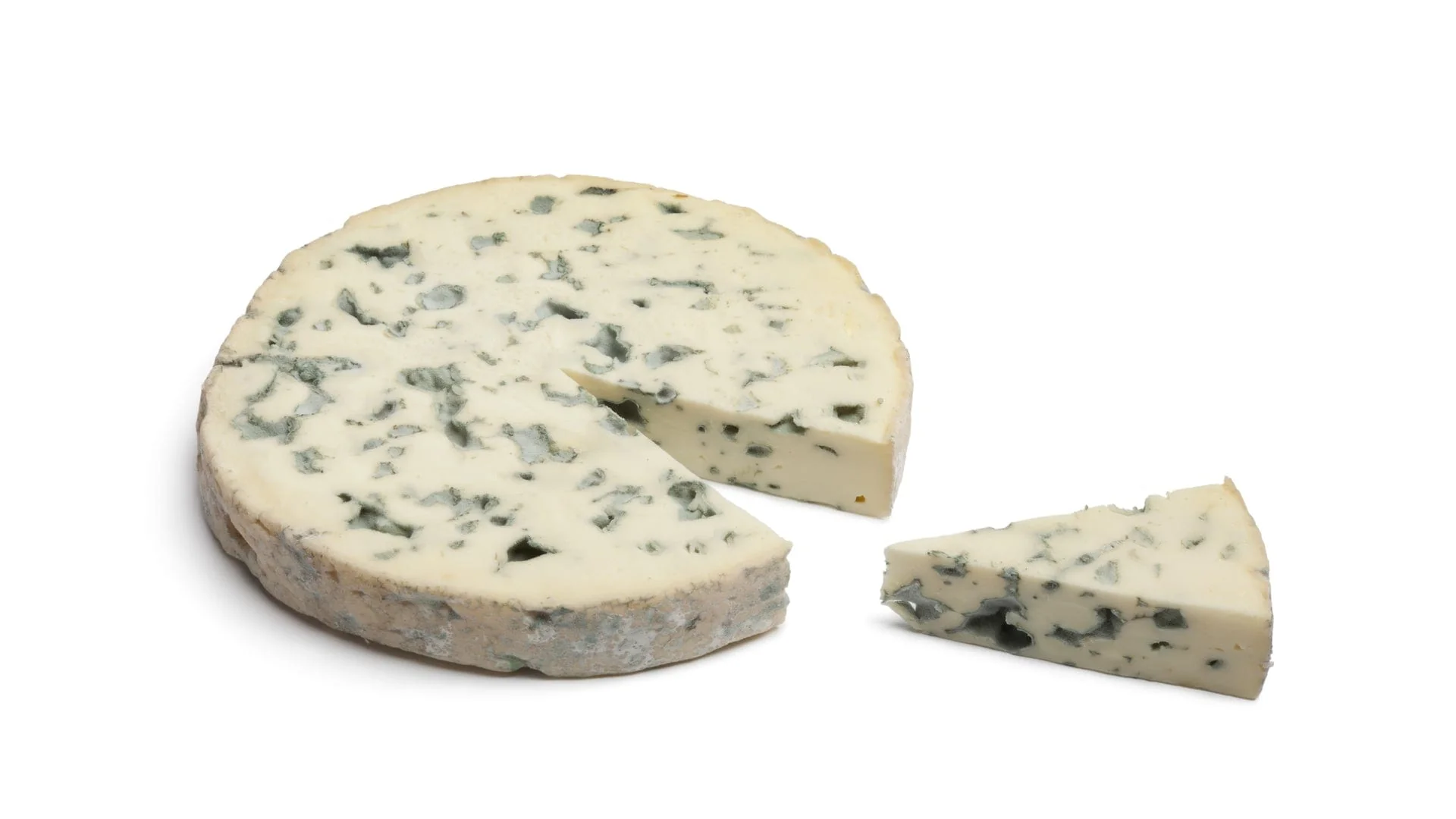

Cheese - Fourme d'Ambert
DESCRIPTION
This relatively unknown blue cheese is a culinary secret used by restaurant chefs all over Europe. Made in tall, cylinders somewhat reminiscent of Stilton in shape, Fourme d'Ambert has been made on the volcanic plains of France since Roman times. This semi-soft cheese is aged for 2 to 3 months resulting in a beautiful, cream-colored paste richly marbled with blue veins. To learn more about Fourme d'Ambert click here!
ORIGIN
France
MILK TYPE
Cow
RAW MILK OR PASTEURIZED?
Pasteurized
STORAGE TIPS
Refrigerate preferably in its own drawer close to where most of the produce is kept. After each time that you slice the cheese, re-wrap it with fresh plastic wrap to extend the shelf life. While some chefs will freeze a slice of blue and then grate it over a salad before serving, Chef's Mandala doesn't recommend freezing cheeses in general.
PEOPLE WHO PURCHASED THIS ALSO PURCHASED
- Cheese Plate - would not use on a cheese board but it's amazing as a culinary ingredient.
- Pairings - this cheese goes great on salads with slightly sweet dressings (honey is a popular base).
SUBSTITUTES
Stilton or perhaps Cashel Blue.
INGREDIENTS
Pasteurized cow milk, salt, lactic ferments, rennet, penicillium roqueforti
Product Information
Product Information
Shipping & Returns
Shipping & Returns
Description
DESCRIPTION
This relatively unknown blue cheese is a culinary secret used by restaurant chefs all over Europe. Made in tall, cylinders somewhat reminiscent of Stilton in shape, Fourme d'Ambert has been made on the volcanic plains of France since Roman times. This semi-soft cheese is aged for 2 to 3 months resulting in a beautiful, cream-colored paste richly marbled with blue veins. To learn more about Fourme d'Ambert click here!
ORIGIN
France
MILK TYPE
Cow
RAW MILK OR PASTEURIZED?
Pasteurized
STORAGE TIPS
Refrigerate preferably in its own drawer close to where most of the produce is kept. After each time that you slice the cheese, re-wrap it with fresh plastic wrap to extend the shelf life. While some chefs will freeze a slice of blue and then grate it over a salad before serving, Chef's Mandala doesn't recommend freezing cheeses in general.
PEOPLE WHO PURCHASED THIS ALSO PURCHASED
- Cheese Plate - would not use on a cheese board but it's amazing as a culinary ingredient.
- Pairings - this cheese goes great on salads with slightly sweet dressings (honey is a popular base).
SUBSTITUTES
Stilton or perhaps Cashel Blue.
INGREDIENTS
Pasteurized cow milk, salt, lactic ferments, rennet, penicillium roqueforti